Shoot your next roll with confidence.
My process, from choosing a camera to editing your scans, in one self-paced course. Even if you've never loaded a roll.
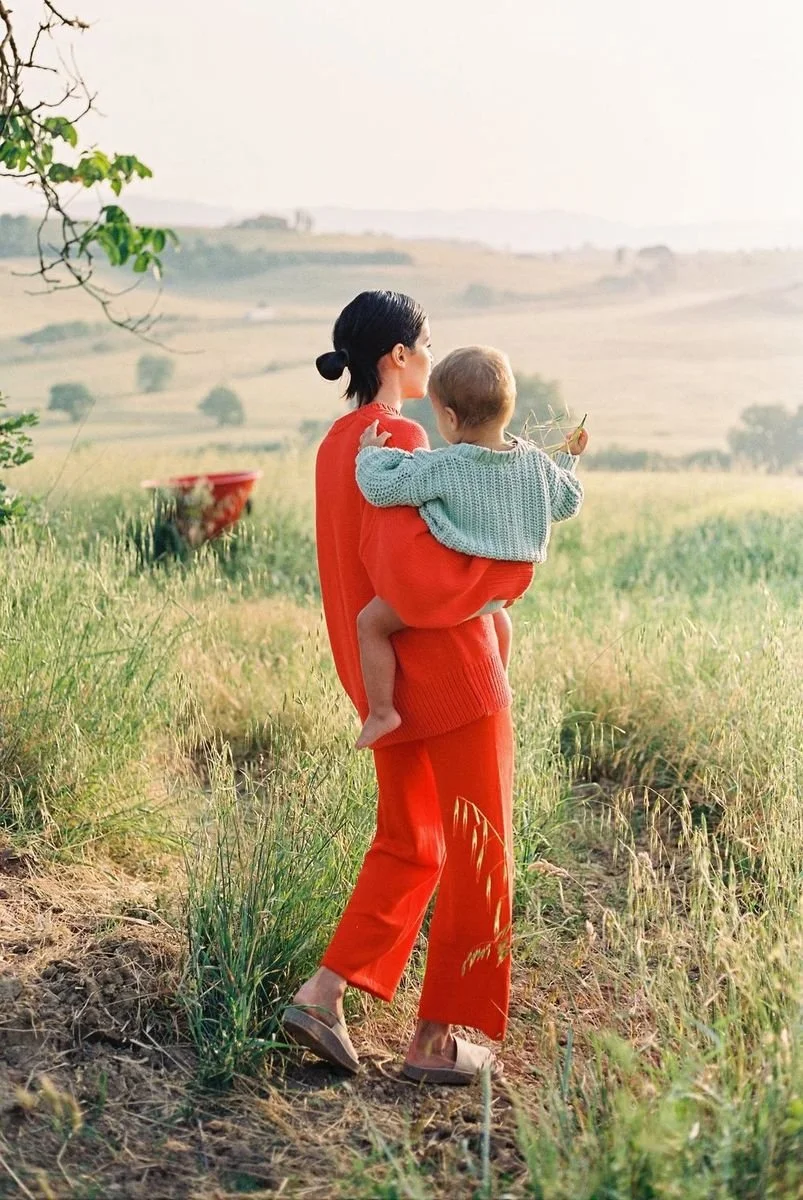
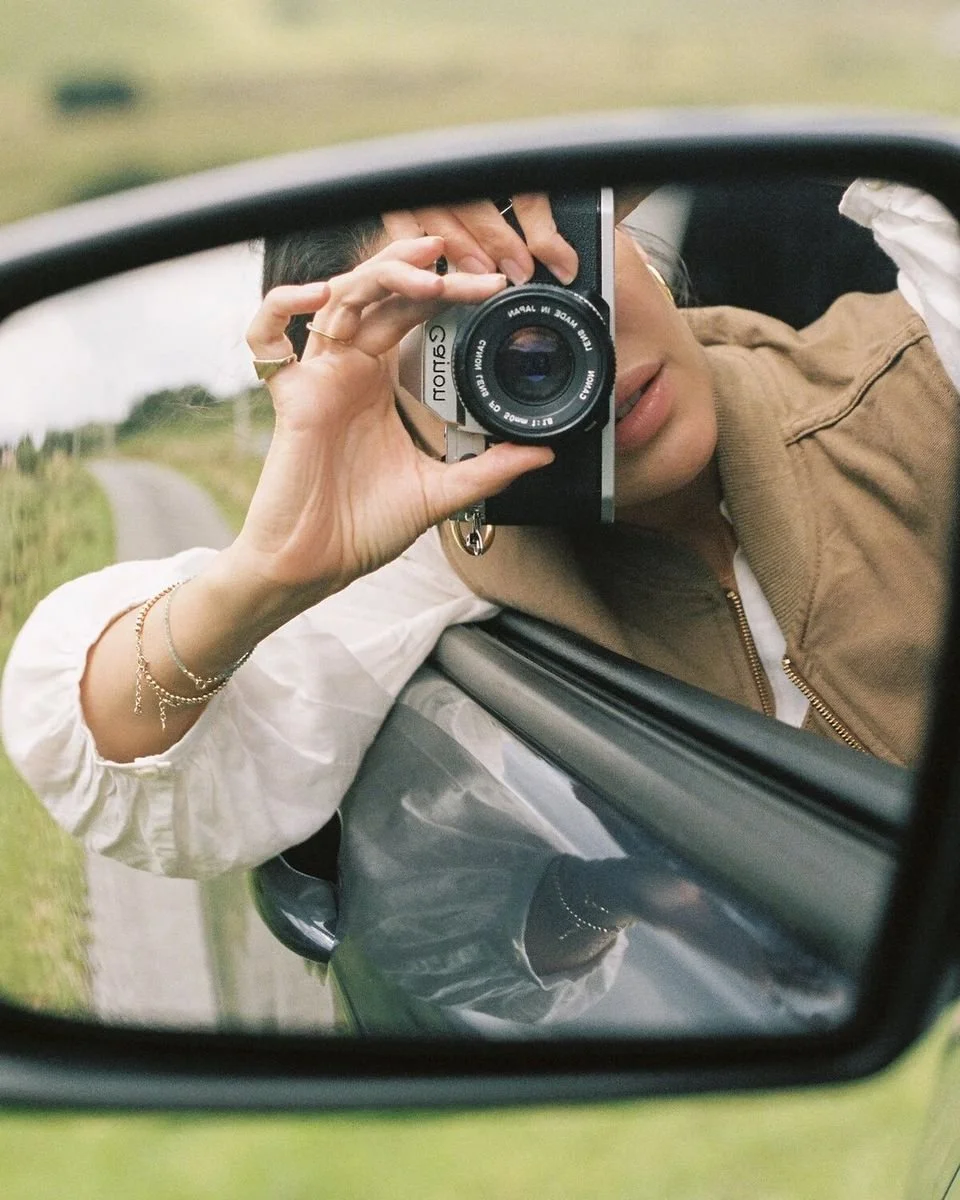
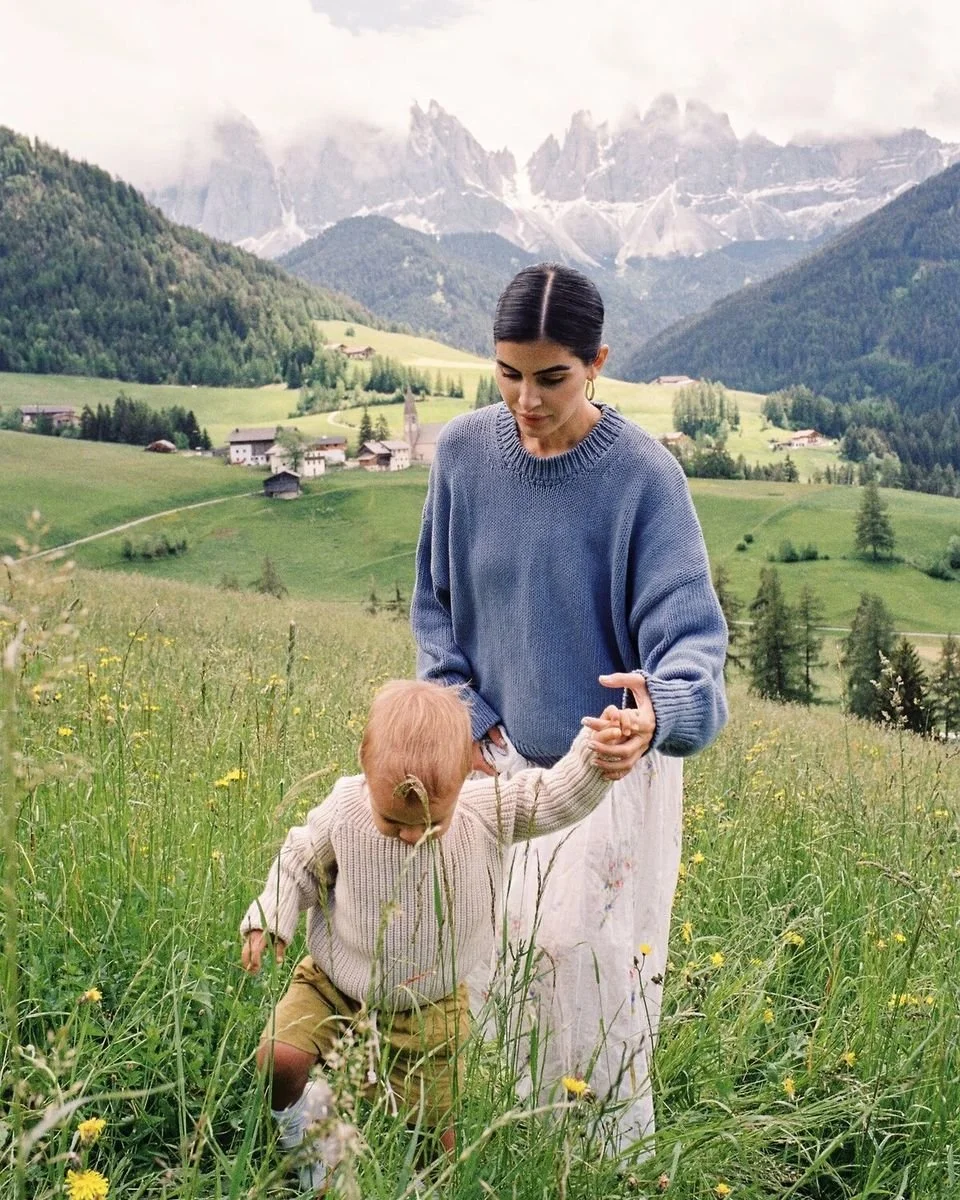
The biggest cost of shooting film isn't the gear. It's the learning curve.
If you're anything like I was, you shot your first roll, dropped it off at a lab, and counted down the days. Then the scans came back flat, grainy, and half of them were way too dark. I couldn't tell if it was me, the camera, the film or the lab, so every roll after that felt like a guess.
You've probably tried:
- Asking "which camera should I buy?" and still not knowing which one is right for you.
- Watching free videos on aperture and shutter speed, then second-guessing yourself in the moment.
- Switching to a new lab or a different film stock after a bad roll, without knowing which one was the problem.
- Leaving the camera on the shelf until you "know what you're doing."
It's hard to stay excited about film when you never know what's coming back. You want to flip through your scans and see the photos you pictured in your head.
Scans you can't wait to download
Imagine opening the email from the lab and actually being excited as you look through your photos. The colors are vibrant. Your subjects are in focus. And when a shot didn't work, you know what to change on the next roll.
Know why a frame worked (or didn't)
In the Scan Day module I walk you through my own first scans, so you know what to look for in yours. No more wondering if it was you, the camera or the lab.
Build a camera bag that fits you
You'll know which camera, light meter and film stock fit you, and what to check when buying second-hand. So your money goes to a camera you'll love using.
Get your exposure right
You'll learn to meter a scene the way I do. Fewer frames coming back super dark or washed out, more of the ones you hoped for.
Talk to your lab with confidence
You'll learn how to choose a lab and fill out the lab form to get the scans you want.
Become consistent from roll to roll
Your rolls will start to look consistent, and they’ll start to look how you envisioned them. Your camera comes off the shelf more often because you trust what comes back.
Capture photos you're proud of
You’ll capture more of the special moments you want to remember on film—the kind of photos you'll love looking back on.
None of this needs a fancy-dancy camera. What changed my scans was not new gear.
When a roll comes back bleh, it's rarely your talent or your camera
Most of what's out there teaches film in pieces: a video on aperture, a camera review, a thread about labs. Each piece makes sense on its own, but every great film photo is at the end of a series of steps: the camera, your settings and light meter, the film stock, the developing, the scanning and the final edits all have to line up. When a scan disappoints, any step could be the reason. Learn them in isolation and you're left guessing, so you swap the camera, the lab or the film, and pay for another roll to find out.
I lived this. My first lab only charged $9 a roll, but I was disappointed every single time I got my scans back. Then I randomly tried a different lab and realized the issue wasn't me or my equipment. I just had inexperienced scanning technicians.
So I teach the whole series of steps, start to finish, in one place: exposure first, then your camera bag, then the lab, scans and final edits. When you understand how each part of the process affects your images, you can isolate what's going wrong and know what to fix. That's what makes each roll a lesson you can build on instead of a roll of the dice.

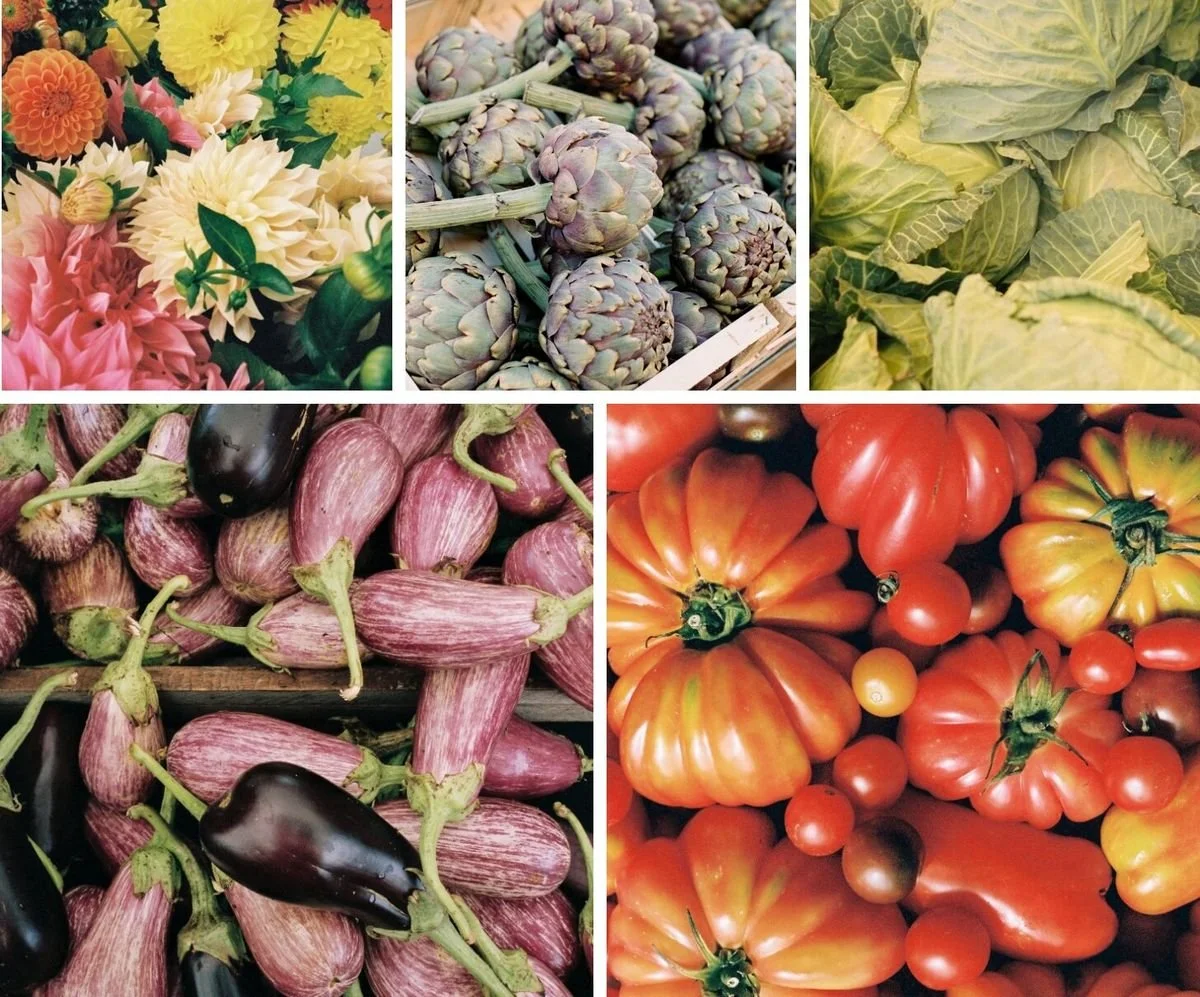
My first film scans (left) and recent ones (right): same camera, same film stock, very similar light.
It's exactly what I wish I had when I was starting out.
Fundamentals of Film Photography
I built Fundamentals of Film Photography for anyone starting out with film, or shooting already but not loving their scans. It walks you through every step, start to finish, so you know what to fix on your next roll to get scans you're excited about.
It's self-paced: 12 lessons + 3 bonus lessons in 3 parts, with plenty of my own example photos.
Here's what's inside Fundamentals of Film Photography
12 lessons + 3 bonus lessons in 3 parts. At your own pace.
Film 101: Nailing Exposure Consistently
You'll learn ISO, shutter speed and aperture, the foundation to nailing your exposure, then build on it to find your creative voice. It comes first because exposure is what every other step depends on. Plus a bonus creative assignment for all my visual learners out there.
 ISO, Shutter Speed and Aperture
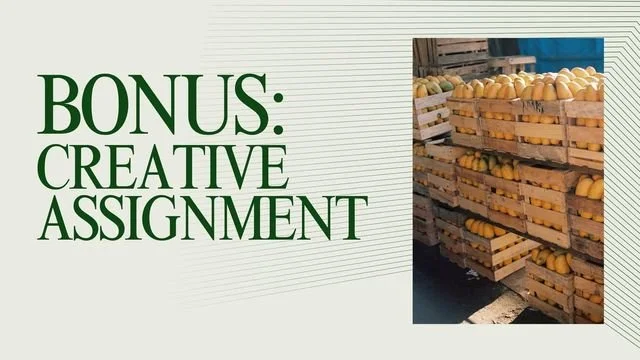 Bonus: Exposure Creative Assignment
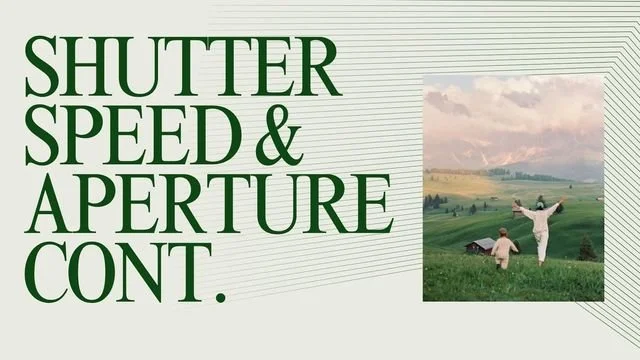 Shutter Speed + Aperture Cont.
Assembling your Film Camera Bag
My favorite film cameras and film stocks (with plenty of example photos), internal vs external light meters, and where I shop for gear and what I check before buying second-hand. Then I step outside to show how I meter during a photo session. So the camera you buy is one you'll love using.
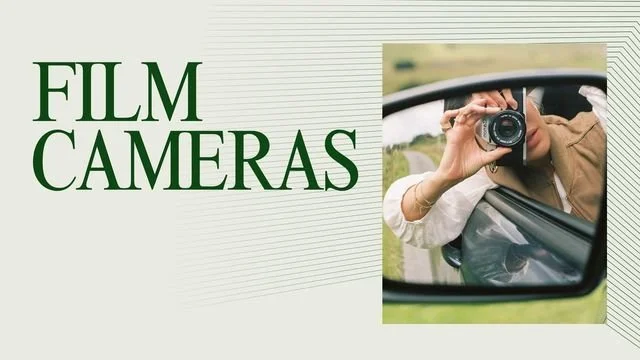
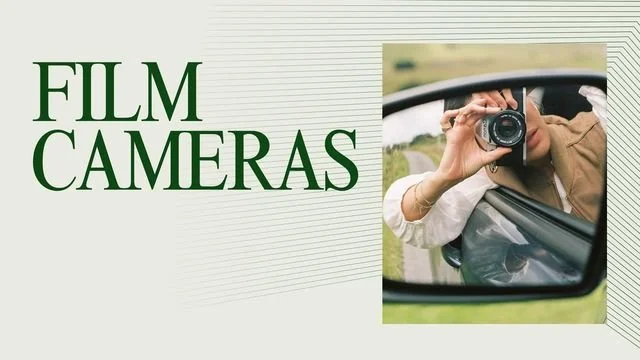 Film Cameras
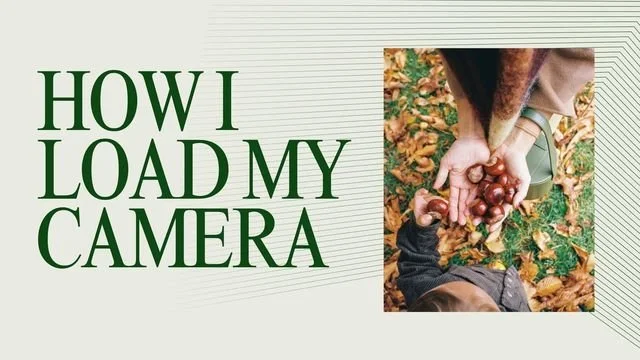 Bonus lesson: How I load my Canon AE1
 Light Meters
 Light Meter Demonstration
 Film Stocks
 Shopping for Film + Gear
 Bonus: Traveling with Film
Post-Shoot Magic: Developing, Scanning & Editing
Local labs vs established labs, my favorites, and how to communicate with your lab to get scans you love (with my lab forms from 3 different labs). Then I walk you through my own first scans, so you know what to look for to improve your next roll. Plus storing negatives, and how I edit.
 Film Labs
 Lab Forms
 Scan Day
 Storing Negatives
 How I Edit
Plus 3 bonus lessons
Exposure Creative Assignment
Put exposure into practice with a creative assignment, made for all my visual learners out there.
How I Load My Canon AE-1
Watch me load one of my favorite film cameras, step by step. Many others load the same way.
Traveling with Film
Keep your scans from being damaged during a flight.
After all three parts, you'll know exactly what you need to do to improve your work and start getting results you're really excited about.
Is this course for you?
This is for you if:
- You're new to film, with a camera or still choosing one.
- You've shot a few rolls, but you don't love your scans yet, or they change from roll to roll.
- You've always shot digital and want to add film to the mix.
- You want to photograph your family and everyday life on film.
This isn't for you if:
- You already expose confidently and can troubleshoot your scans. My second course, Working with Light, builds on this foundation to help you thrive across lighting conditions.
- You want live feedback or a group. This is a self-paced course you take on your own.
What students say about learning with me
Fundamentals of Film Photography:
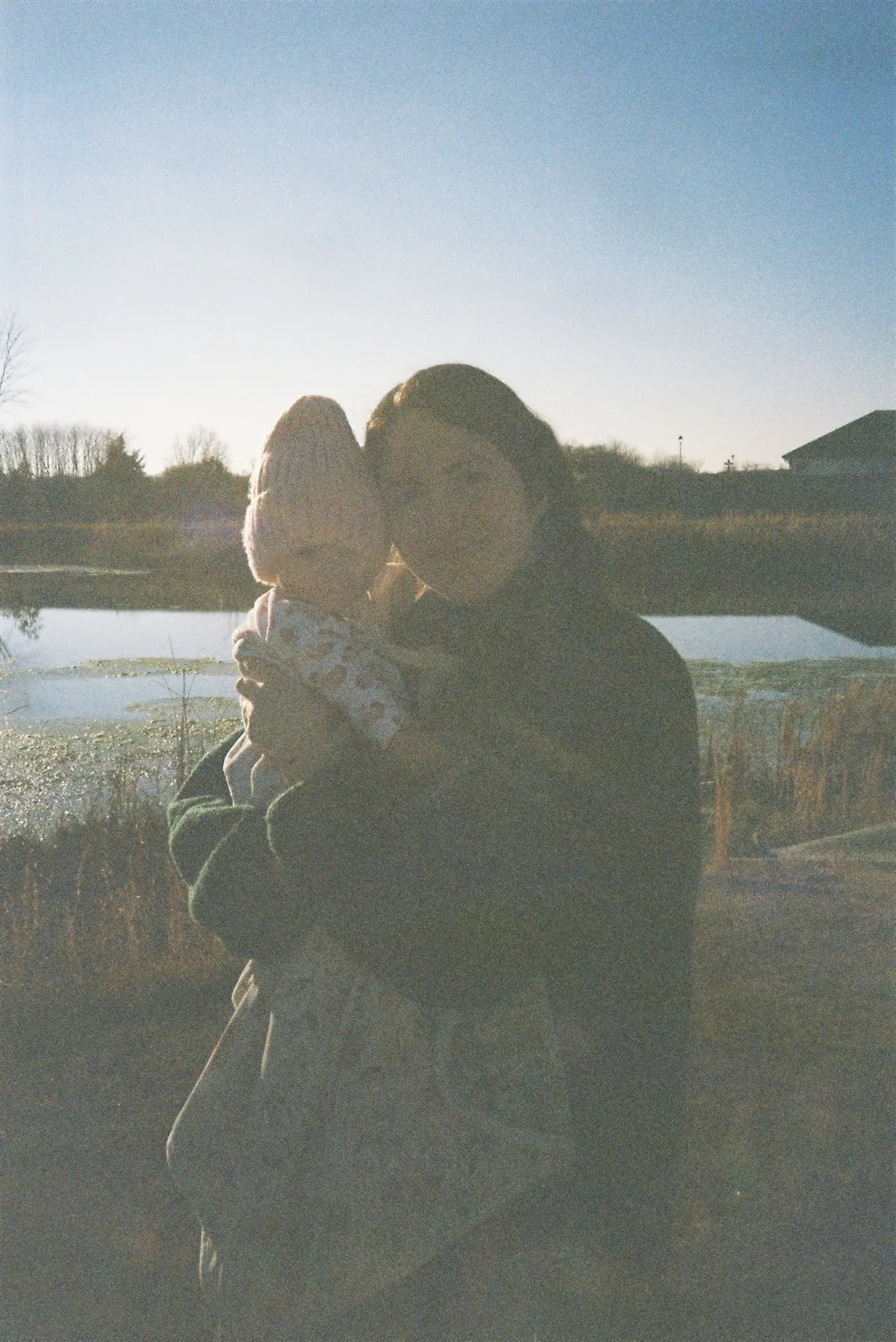
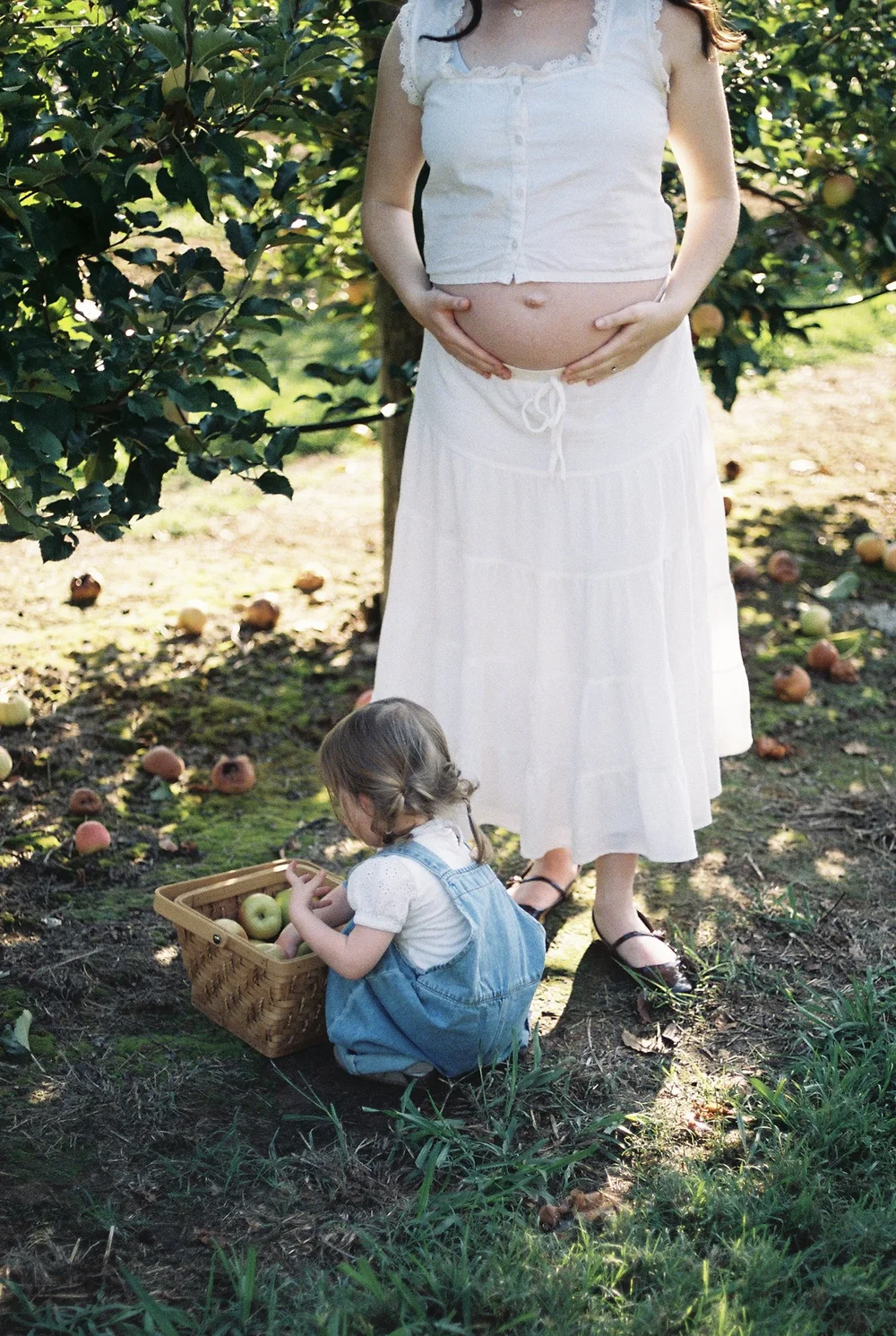
"This course is THE course for anyone looking to start shooting film. Whether you have a background in photography or you're wanting to learn, Sara explains everything you need to know! I feel like I've grown so much in understanding lighting & nailing my settings when I shoot manual. Now I reach for my film camera more than my iPhone."
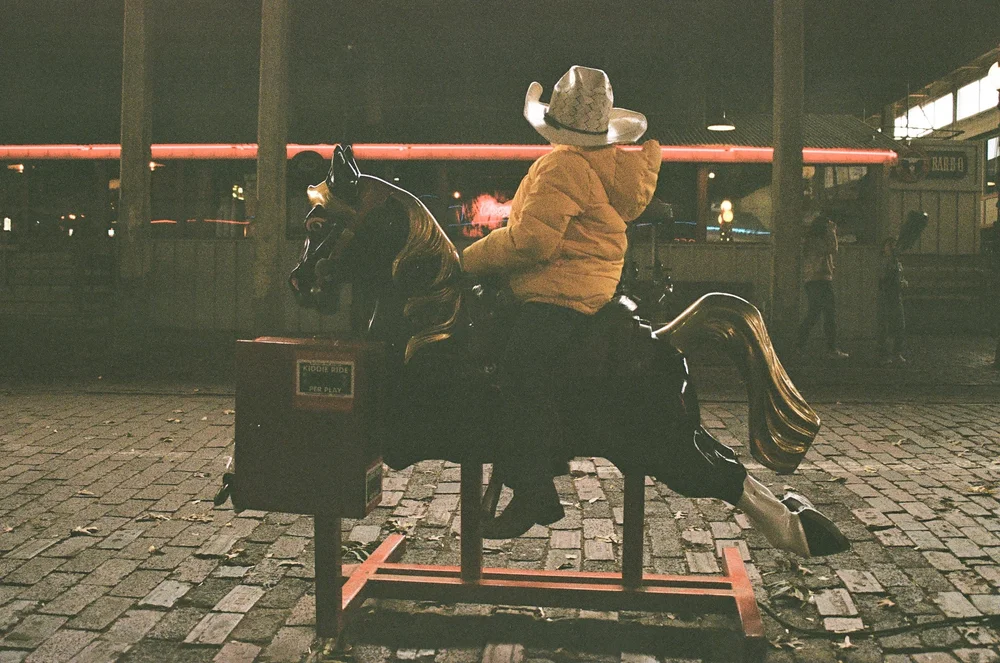
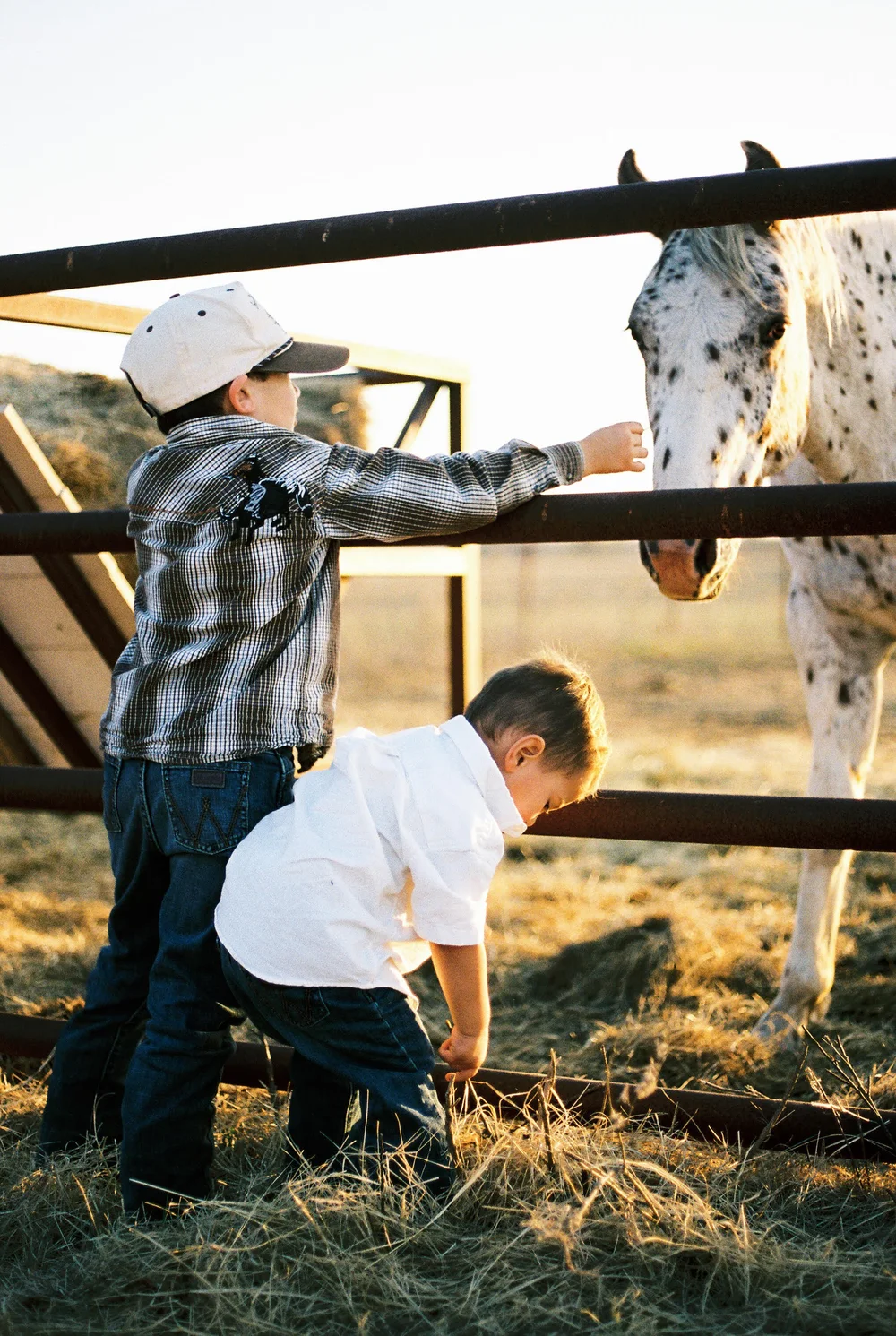
"I had been playing with film for a year prior to Sara's Fundamentals of Film course and I felt like I was shooting on a prayer and hoping for the best. Her course enabled me to drive the output of my film photography and shoot more consistently. The course is very well rounded but learning how to choose film stock intentionally, pick a film lab and what preferences/scanner work best for my photos really changed the game for me. Receiving and going through your scans should feel like Christmas morning, and Sara's course will help you get there."
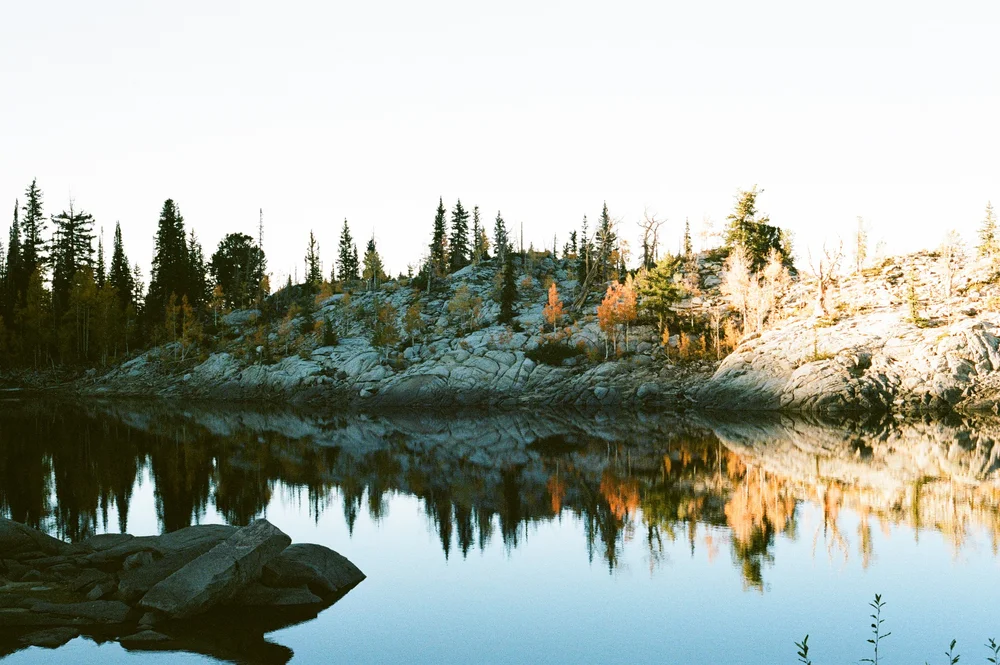
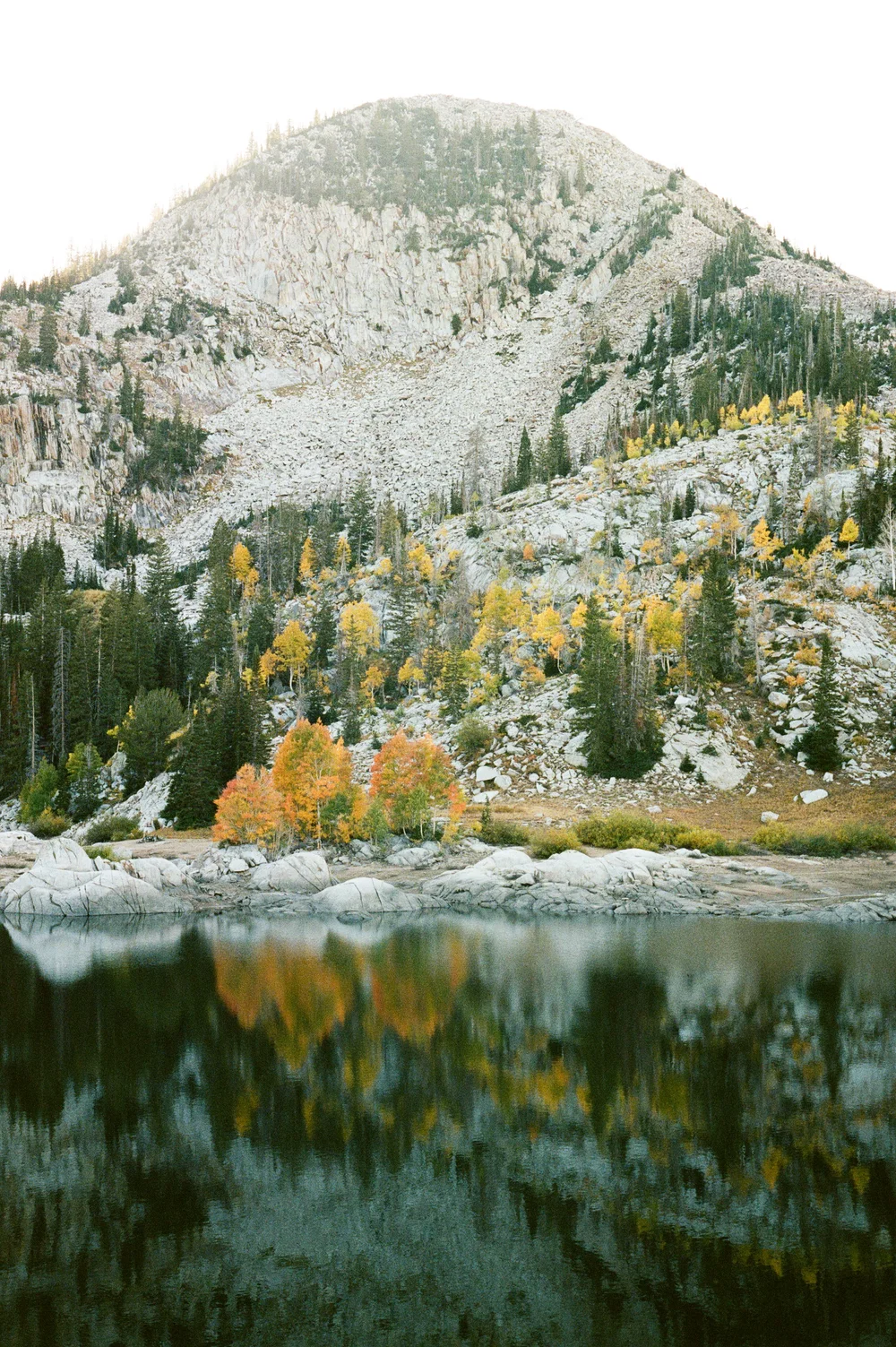
"Sara's film course helped me SO much! If you have been curious about getting into film I couldn't recommend it enough. Her course was extremely clear and was so helpful with learning how to use a film camera, what film camera to get and how to use light to make your photos crisp! Highly recommend to anyone who is ready to fall in love with shooting film!"
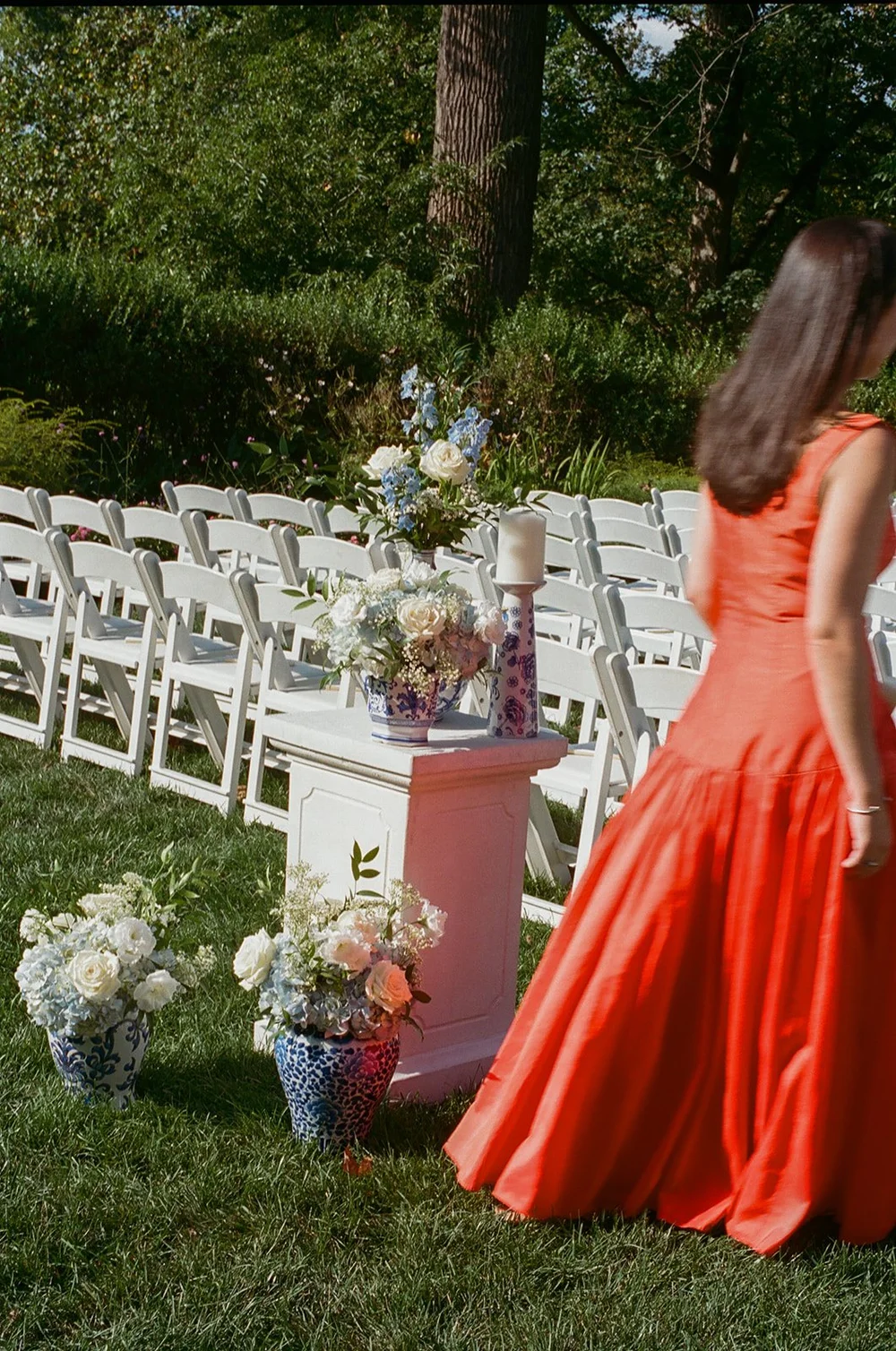
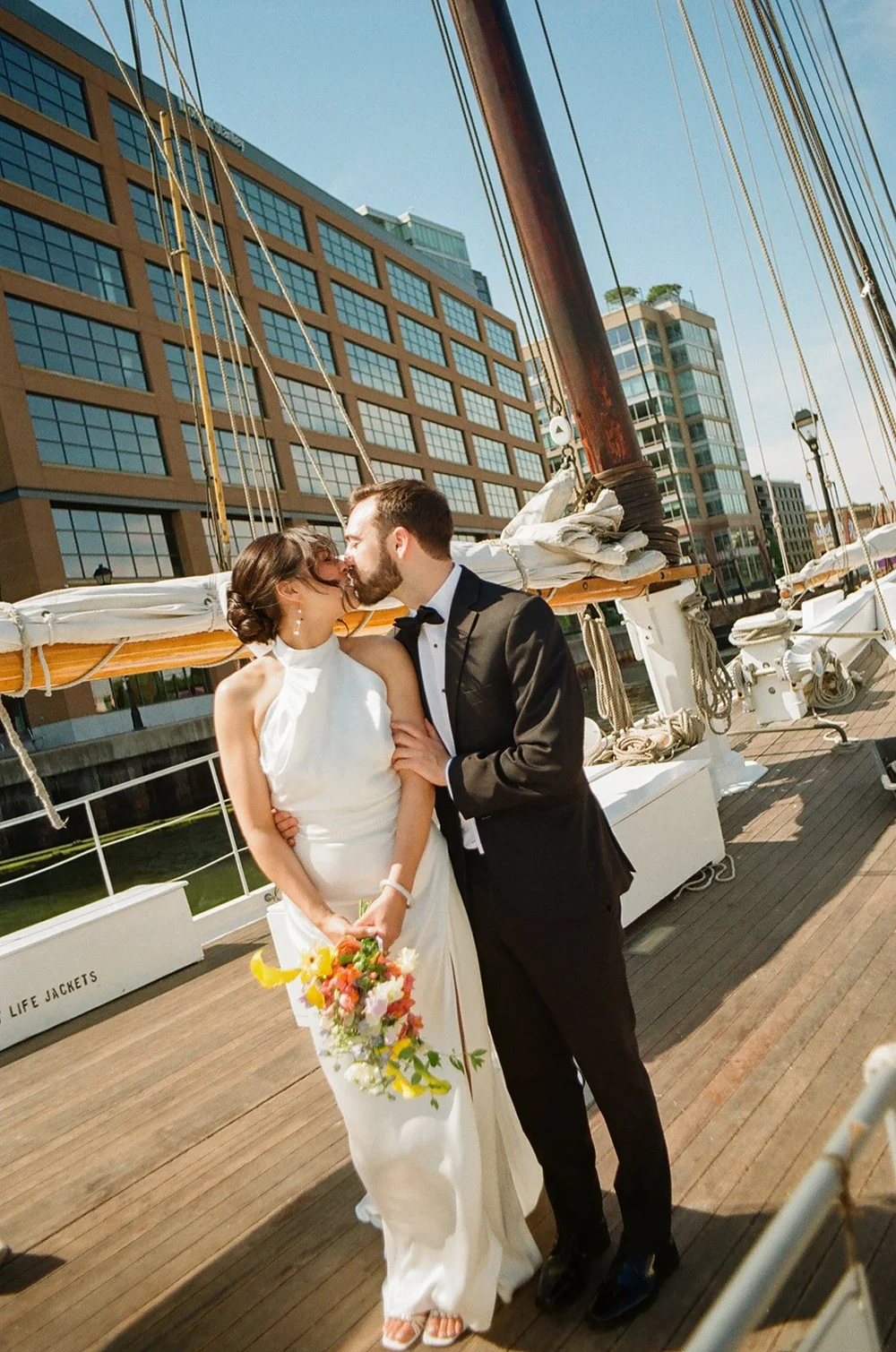
"I really enjoyed this course since it helped me feel more confident in shooting film regularly and offering it to my clients. I enjoyed the way Sara explained everything very simply and showed working, hands-on examples at the same time. I appreciated the detailed lesson that walked through how to have your film developed and scanned so I could understand all the different options since that kind of honest information isn't always easily accessible online!"
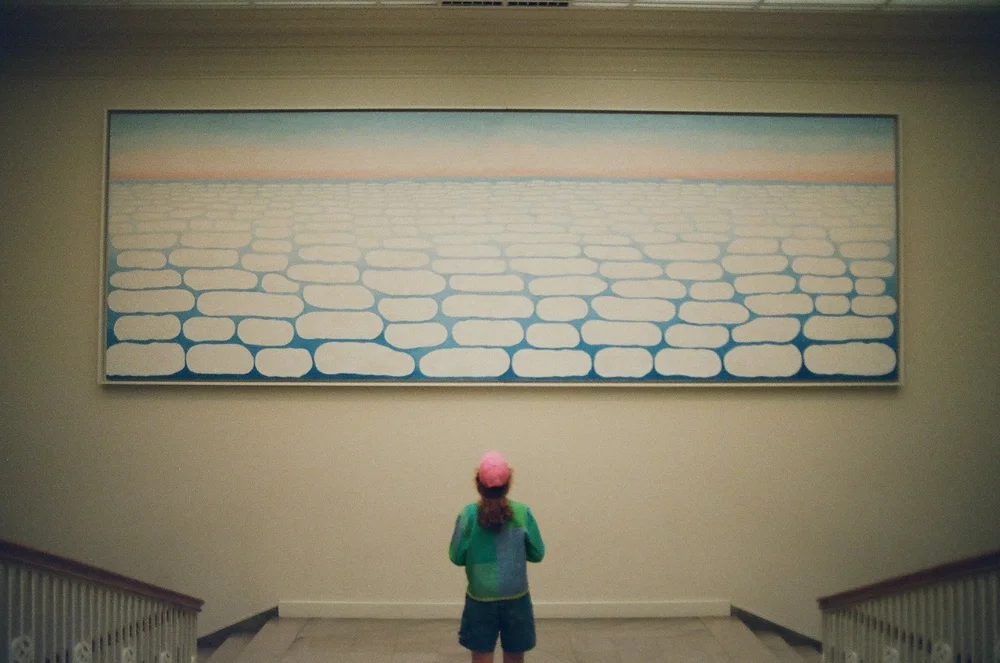
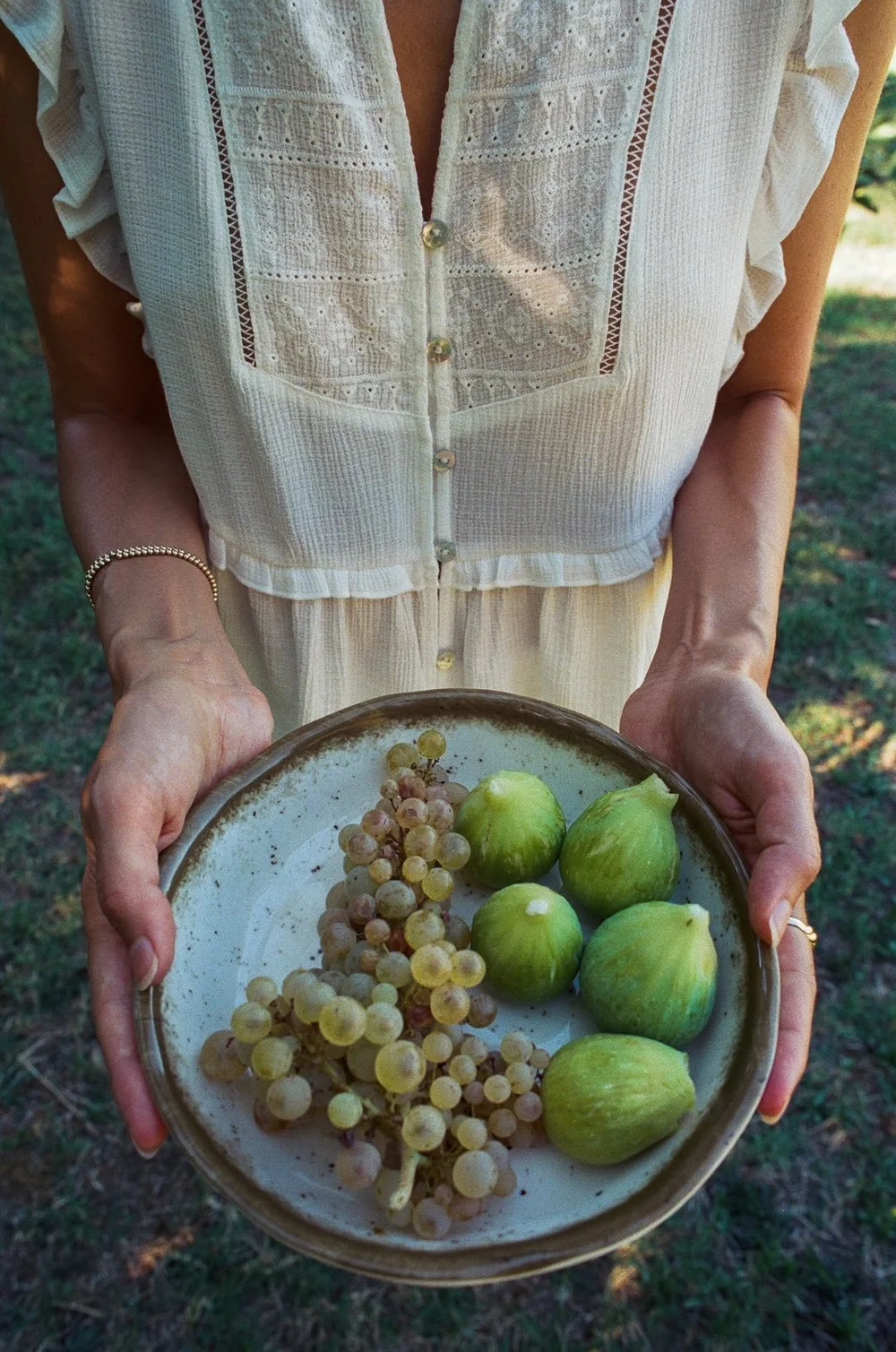
"Sara's light metering videos really helped, I didn't know before that even just a little underexposed, the colour of the film would not be "full"."
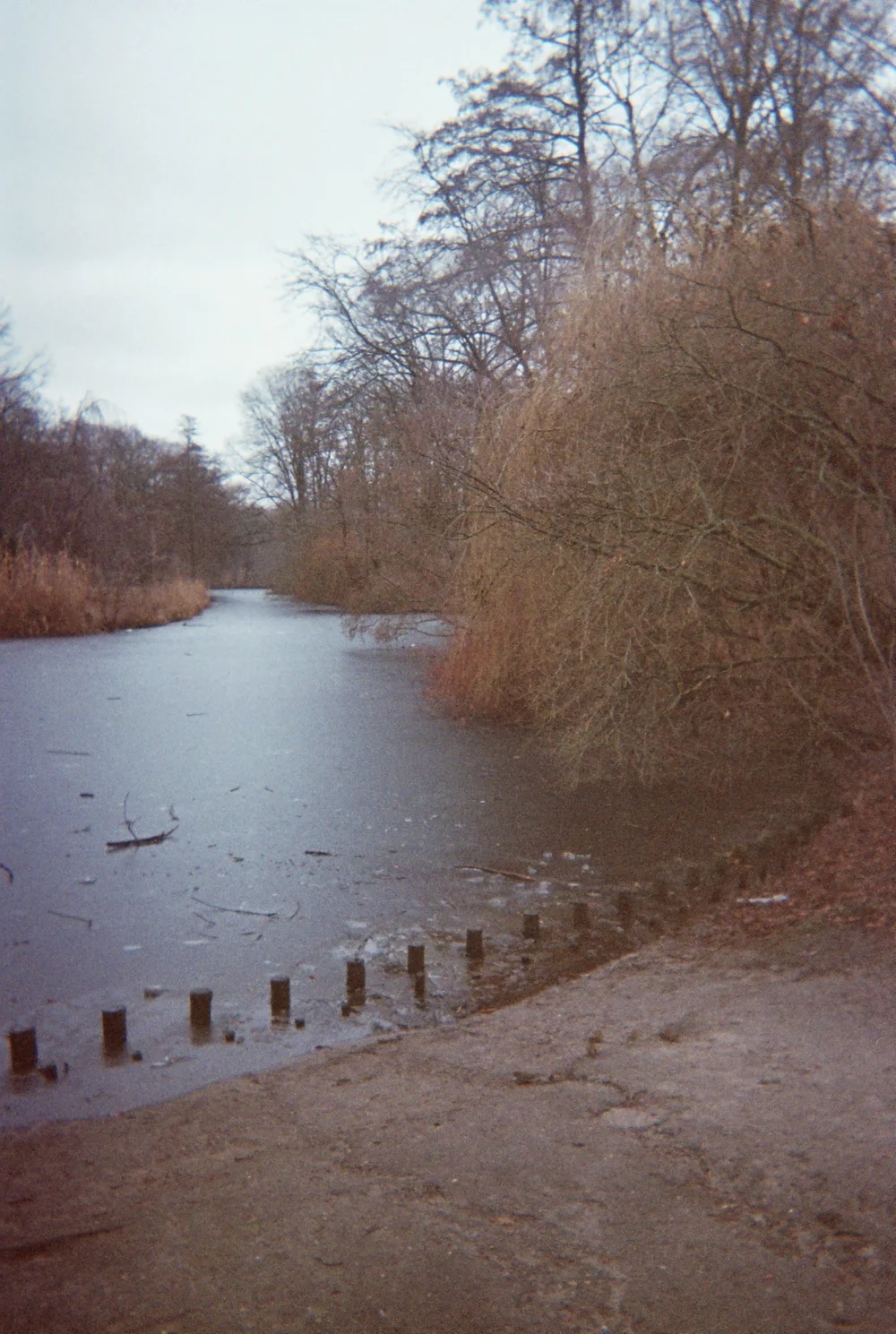
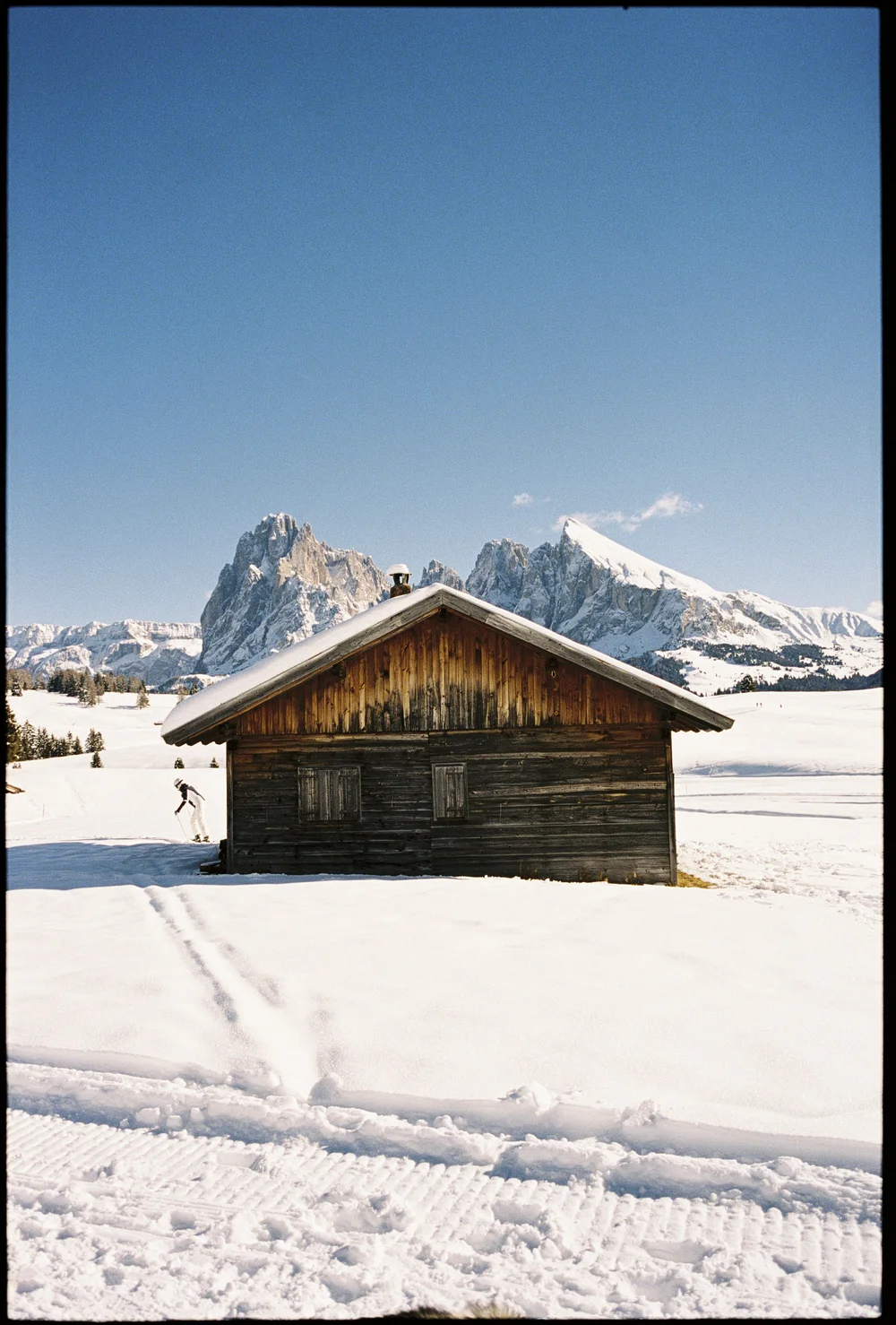
"The lesson on using a light meter really changed my approach to film photography. I had never used one before and had always relied on automatic metering, so learning to measure the light myself helped me understand exposure much better. The biggest change has been the way I prepare before shooting. I now take more time to think about the light and my settings, and I feel more confident and intentional with each frame."
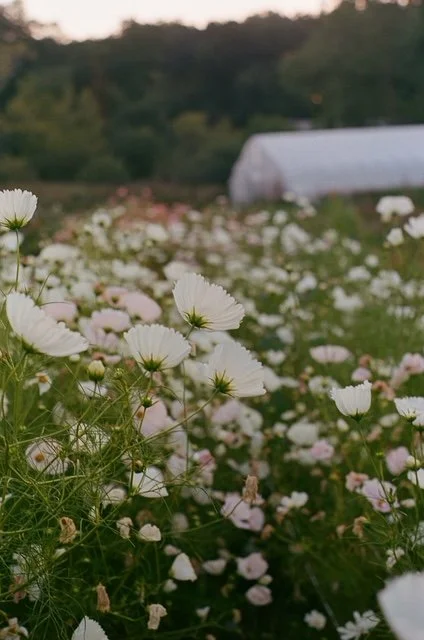
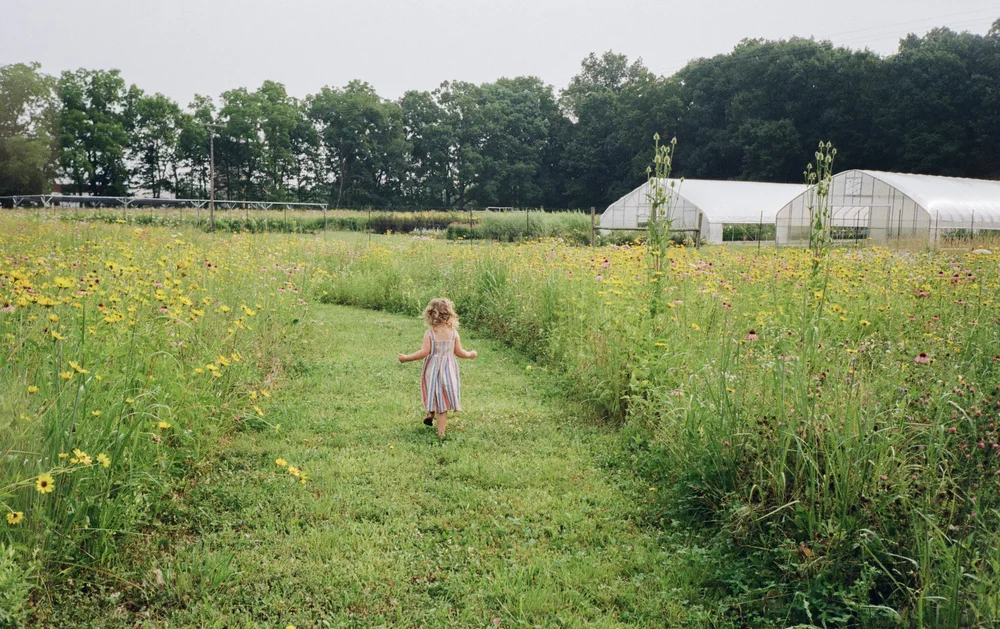
"I have been shooting on film for several years as a hobby but felt like I wanted to learn more from a photographer whose work I admire. I found the editing and lab information most helpful and I think they really made a difference in the end result of my photos. Anyone looking to learn more about film photography would benefit from this class especially anyone finding their photos to be a little dull."
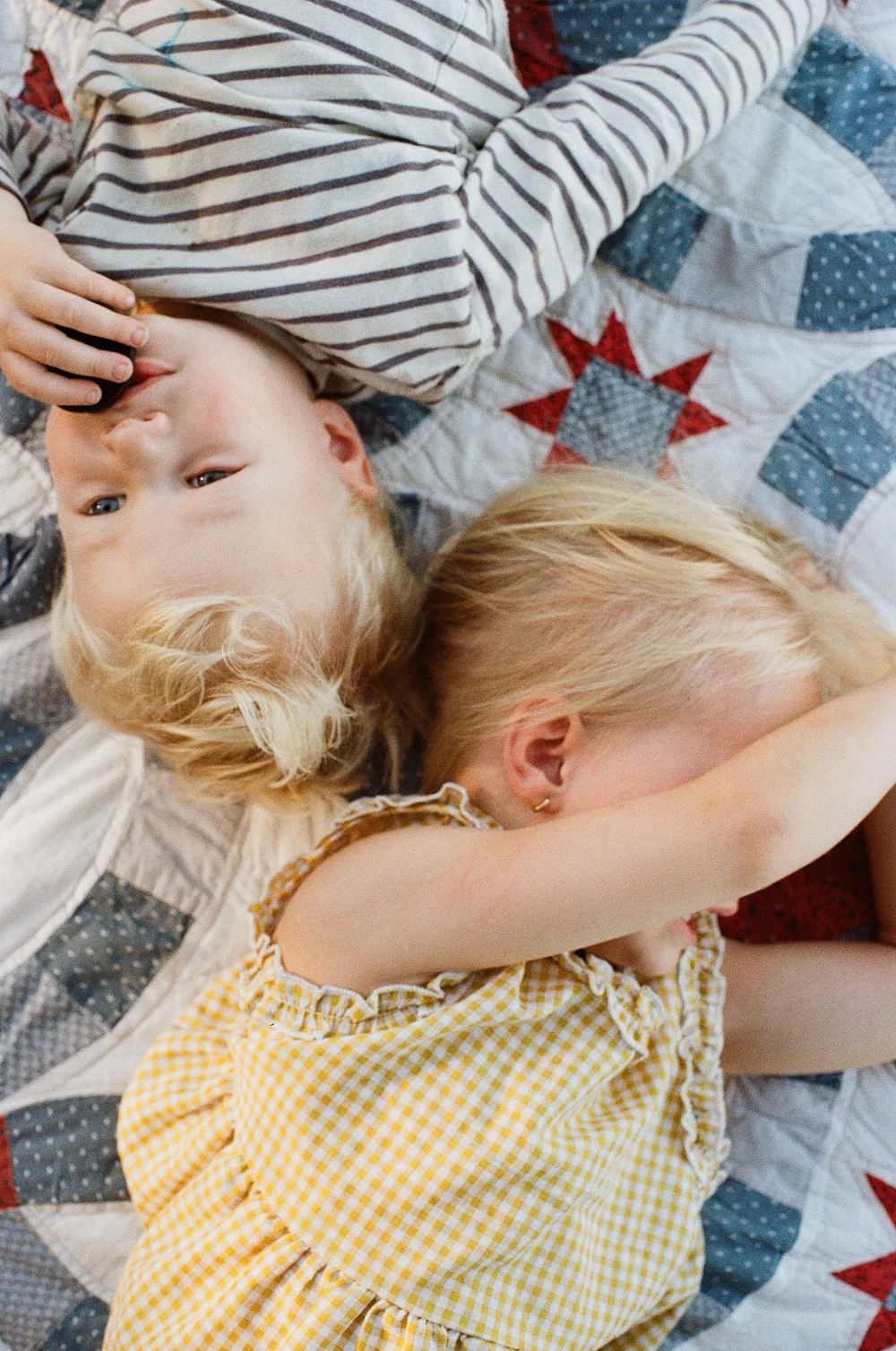
"I inherited my grandfather's old film camera earlier this year and needed direction getting started. Fundamentals of Film Photography did just that. The course did a phenomenal job covering everything relevant to shooting film in a clear, easy and digestible way. As a young mom, shooting with my film camera has become my favorite way to capture the special moments I want to remember."
About my second course, Working with Light:
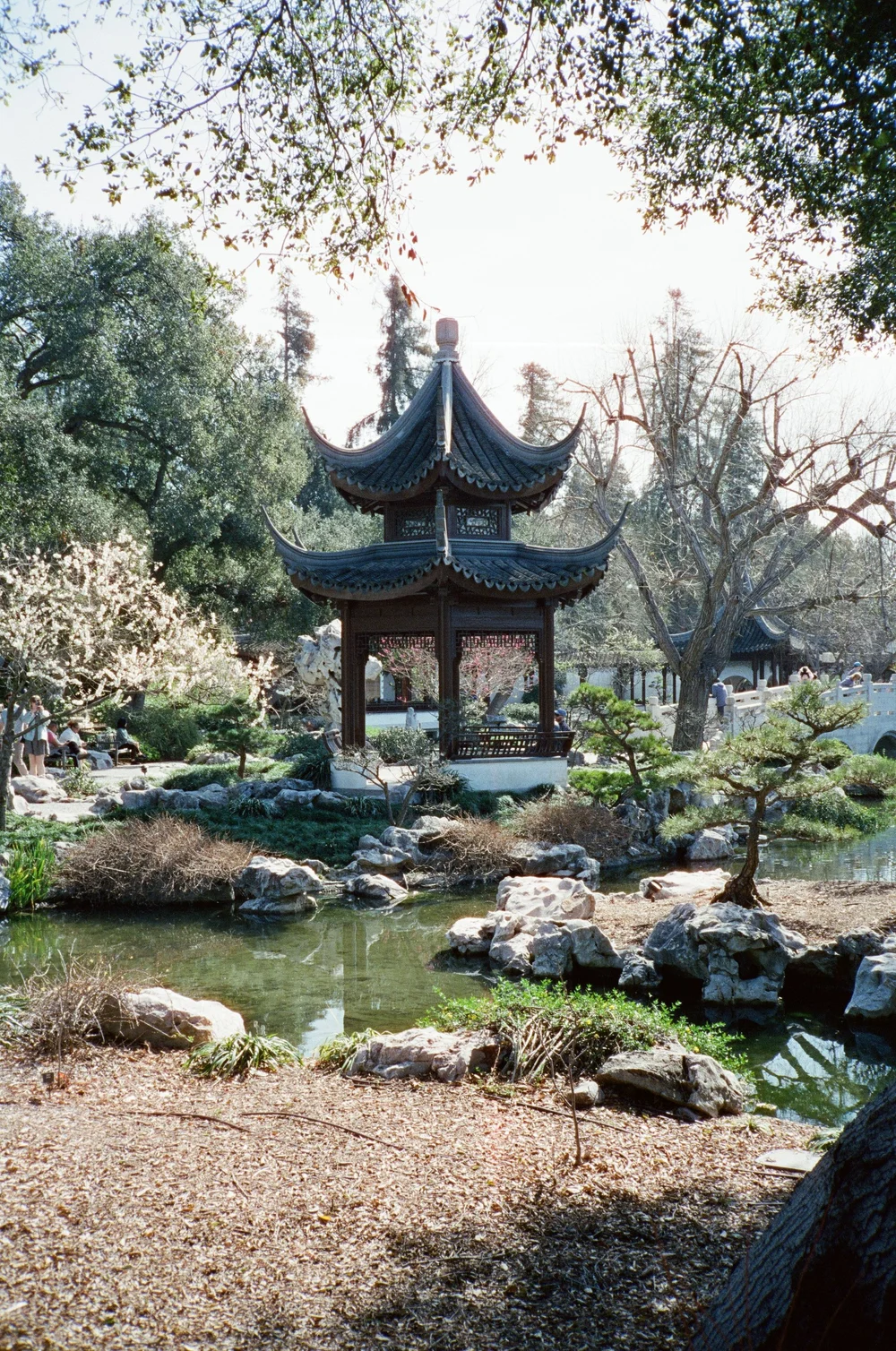
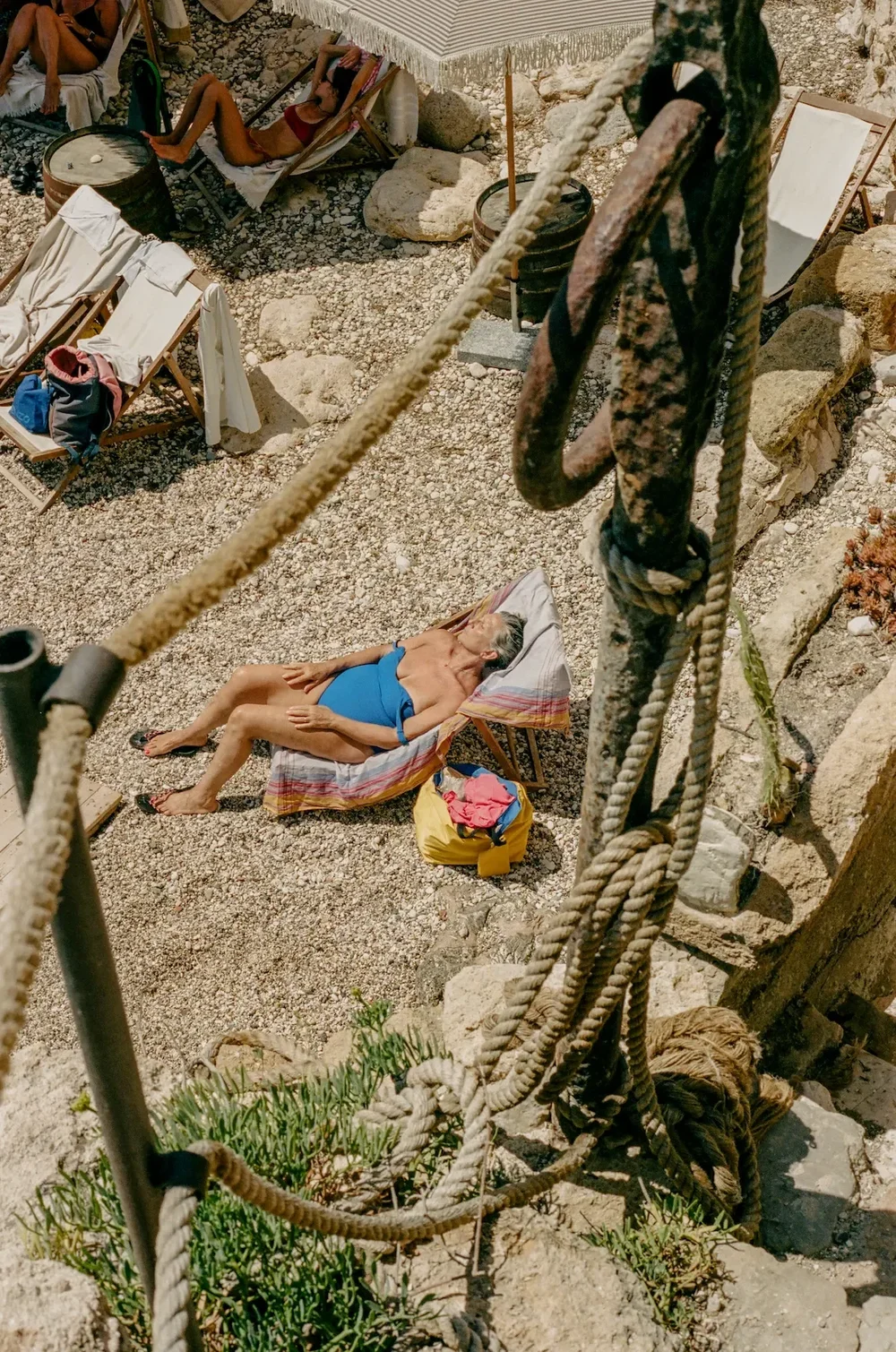
"I've genuinely been thinking about light differently ever since taking it. What I loved most was how Sara really gets into the nitty-gritty. She doesn't just talk about beautiful light; she shows you exactly what to look for and what to do in different scenarios. I'm still a work in progress over here, but it's been so fun getting my film scans back and feeling proud of the images I'm creating!"
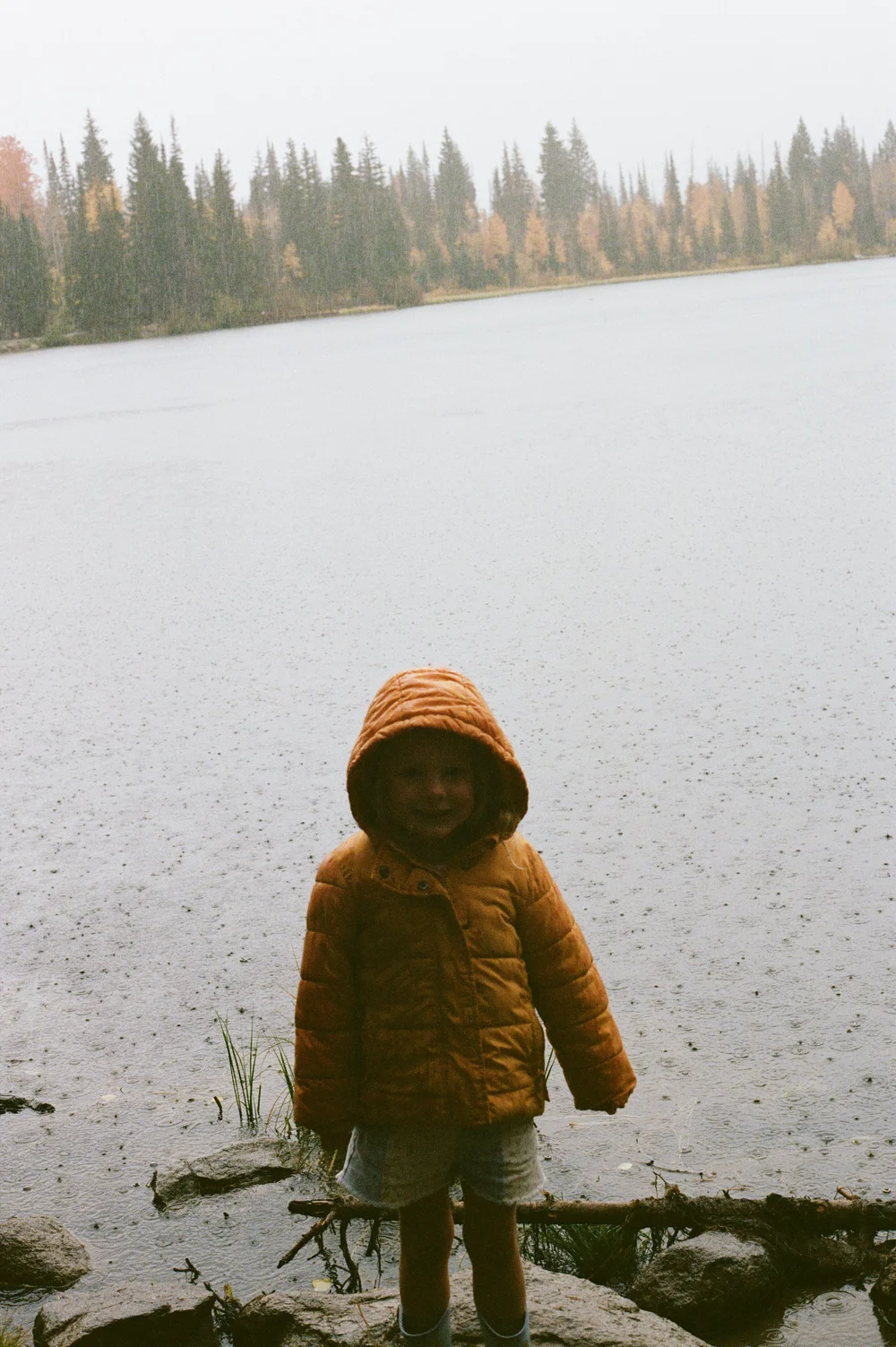
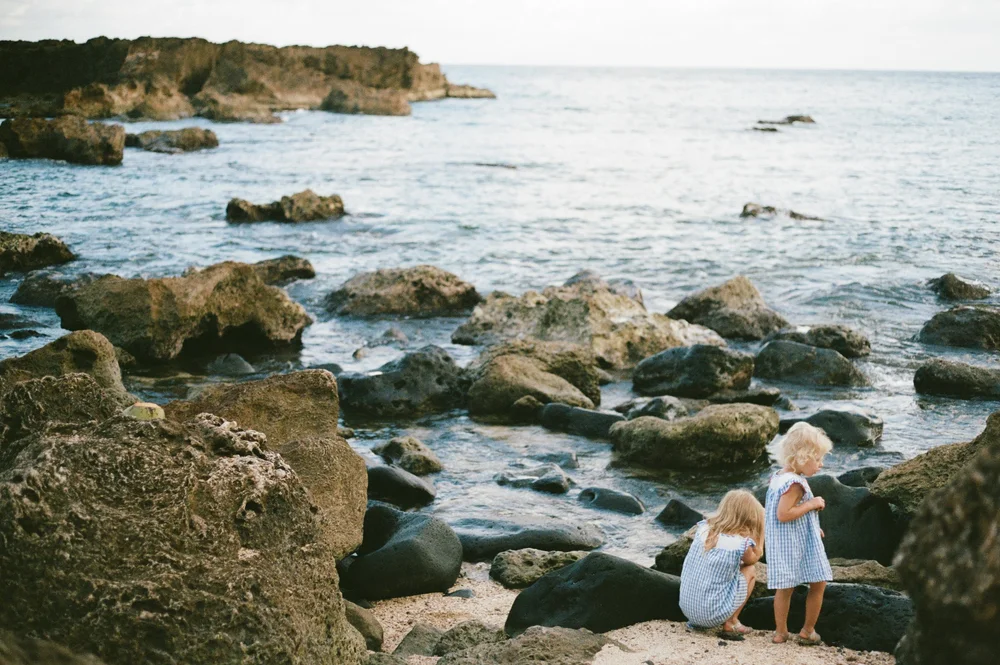
"The way Sara walked through the different types of lighting made a big difference for me. Before going through the course, every kind of lighting except overcast felt intimidating to shoot in."
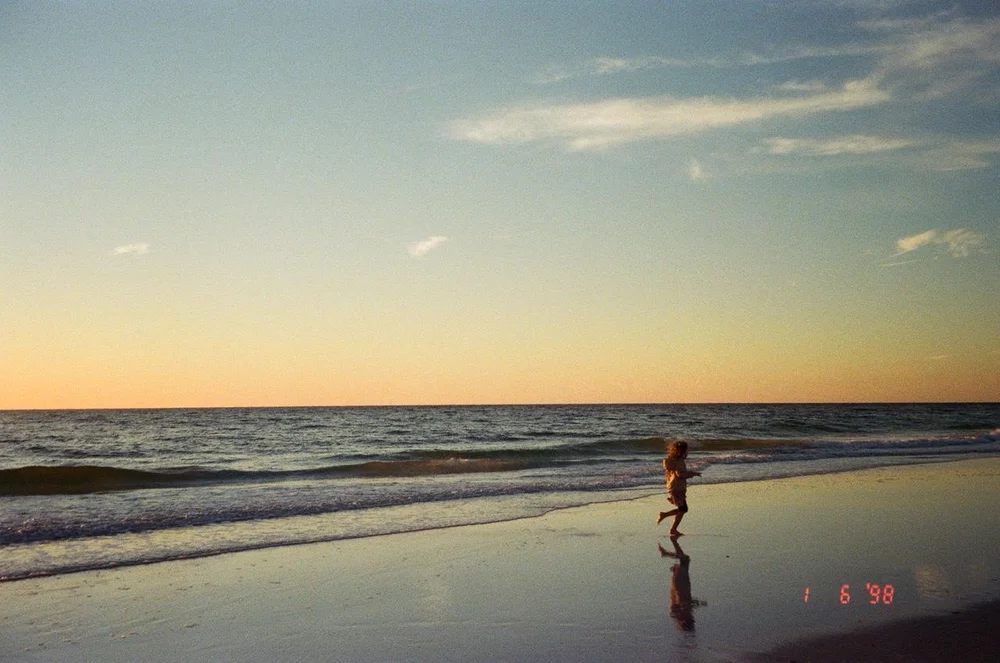
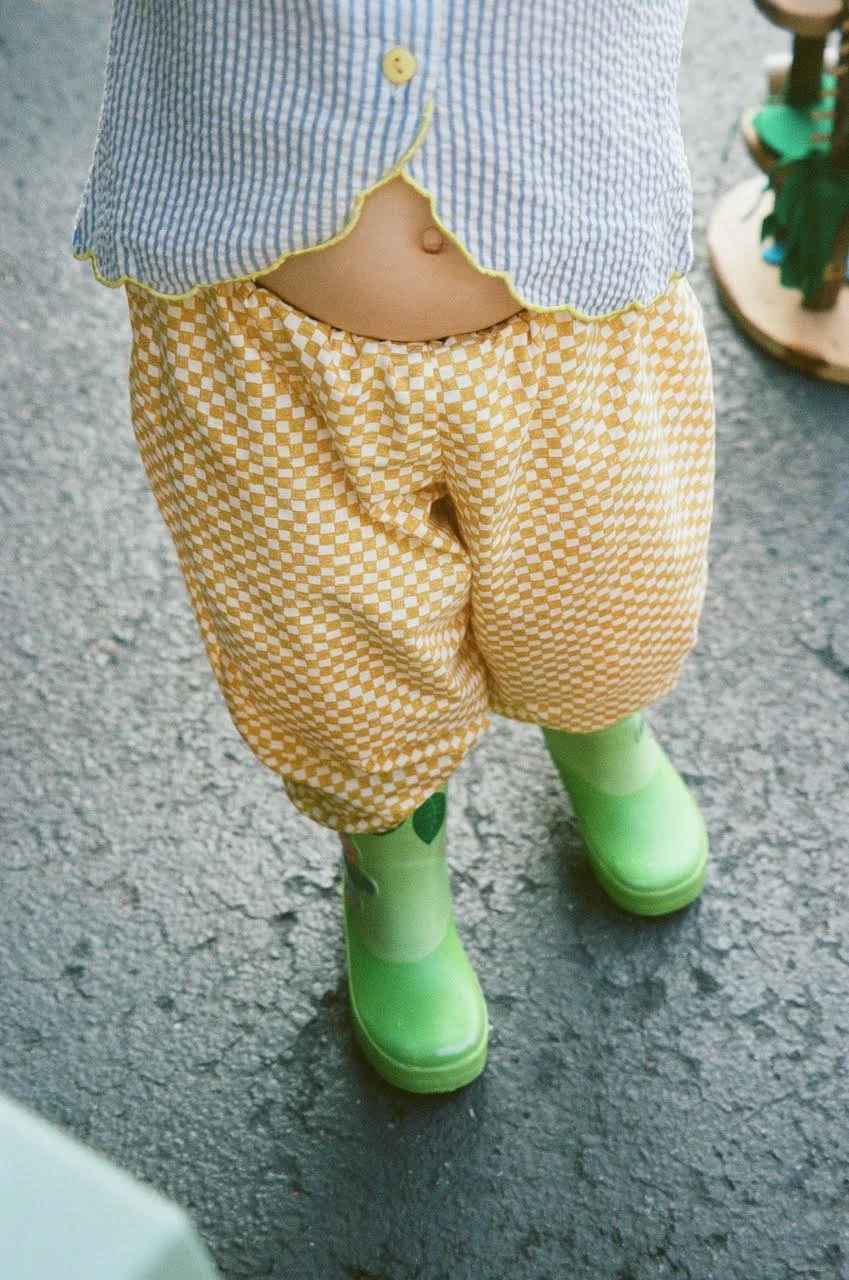
"Sara's lighting course really helped me. I also found all the on location tutorials extremely helpful and just all the initial beginner knowledge about getting your scans developed was really helpful too. All immensely helpful!"
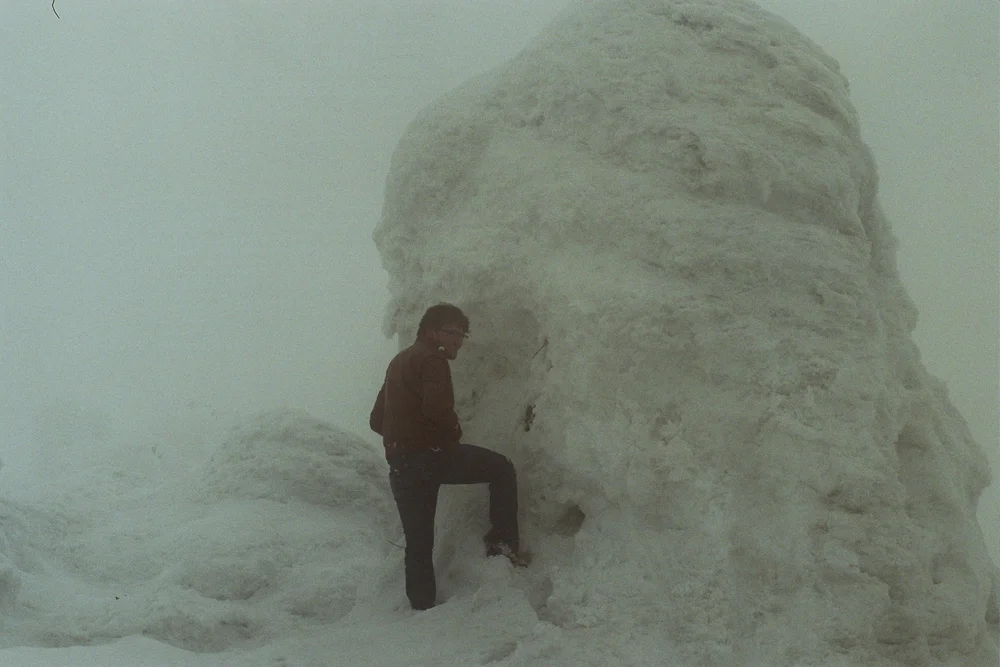
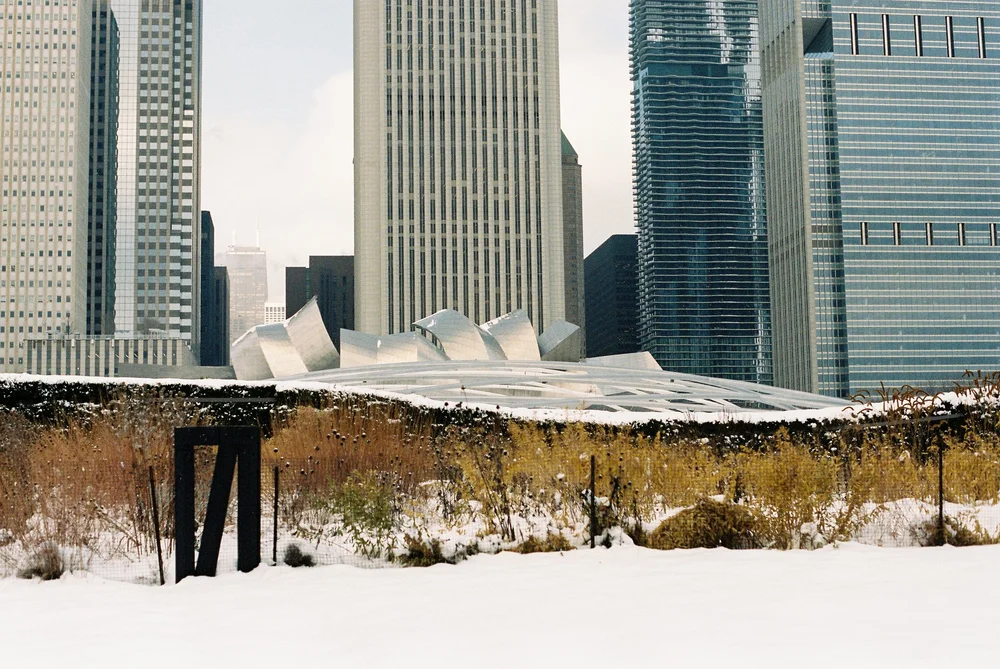
"My Snowmonsters photo is a good example of failing (big time) to get the right light settings for snow. I think my newer snow photos do a pretty good job of capturing the white snow and keeping other colors true! That was all down to your lessons on light and using a light meter."
30-Day Money-Back Guarantee
I want you to feel completely confident in your purchase.
I'm so sure this course will help you become a better film photographer that I offer a 30-day money-back guarantee. Go through the lessons, try the exercises, and start shooting. If you don't feel it's helping you improve your skills within 30 days, just email me for a full refund. No hard feelings.
Two ways your next roll can go
If nothing changes:
With Fundamentals:
You don't need a fancier camera. You need the right steps. I'd love to walk you through them.
Got questions? I've got answers…
Here are the ones I get most.
I'm new to film photography… is this course for me?
Yes! This course is created for anyone with an interest in film photography. With a film camera or without one, zero rolls shot or several, I'll walk you through everything you need to know to shoot with confidence.
How does the course work?
It's a self-paced e-course: 12 lessons + 3 bonus lessons in 3 parts. Do a lesson, go shoot a roll, and come back for the next one whenever you're ready. Nothing is live, so there's no schedule to keep up with.
How long do I have access?
Forever. You get lifetime access, so you can come back to any lesson whenever you want a refresher, like before a big trip or when you try a new film stock.
I already have a film camera and know how to use it… is this course for me?
Are you consistently getting back scans that you love? If not, this course is for you. If you are, my course Working with Light is the better fit: it builds on this foundation to help you thrive across lighting conditions.
Can't I learn this from free videos?
You can find a lot of pieces for free. What you won’t find is my process in one place: how I choose my gear, meter a scene, work with labs and edit my scans, start to finish. It’s the exact process I use for every roll, and it’s what this course walks you through.
How soon will my scans get better?
Sooner than you’d think. Many students notice a difference on their very next roll. How fast you keep improving depends on how often you shoot!
What if it doesn't help me?
Go through the lessons, try the exercises, and start shooting. If you don't feel it's helping you improve your skills within 30 days, just email me for a full refund. No hard feelings.
Do I need a film camera before I start?
You can start without one. Part 2 covers my favorite film cameras (and why) and what to look for when buying second-hand, so the camera you buy is one you'll love using. My first camera is still the one I reach for the most today, so you don't need an expensive camera.
I've always shot with a digital camera… why should I try film?
If you've been thinking about making the move from digital to film, or simply adding film to the mix, this course is definitely for you! I would even argue that understanding film photography will improve your work as a digital photographer, because you become much more intentional with every single frame ;)
Hi, I'm Sara
When I was starting out, every email from the lab brought a wave of disappointment: colors that fell flat, too much grain, inconsistent exposures. I spent months getting back crummy scans and feeling frustrated because I didn't know where in the process things were broken. I've been photographing professionally for over seven years, and shooting on film for over five. I also write Analog Notes, a weekly newsletter about my love for all things analog (especially film photography).
I’m obsessed with taking film photos, and I’m passionate about documenting life with my family. This course is exactly what I wish I had when I was starting out: a one-stop shop to answer all my film questions and guide me through the process. I can't wait to see your scans <3
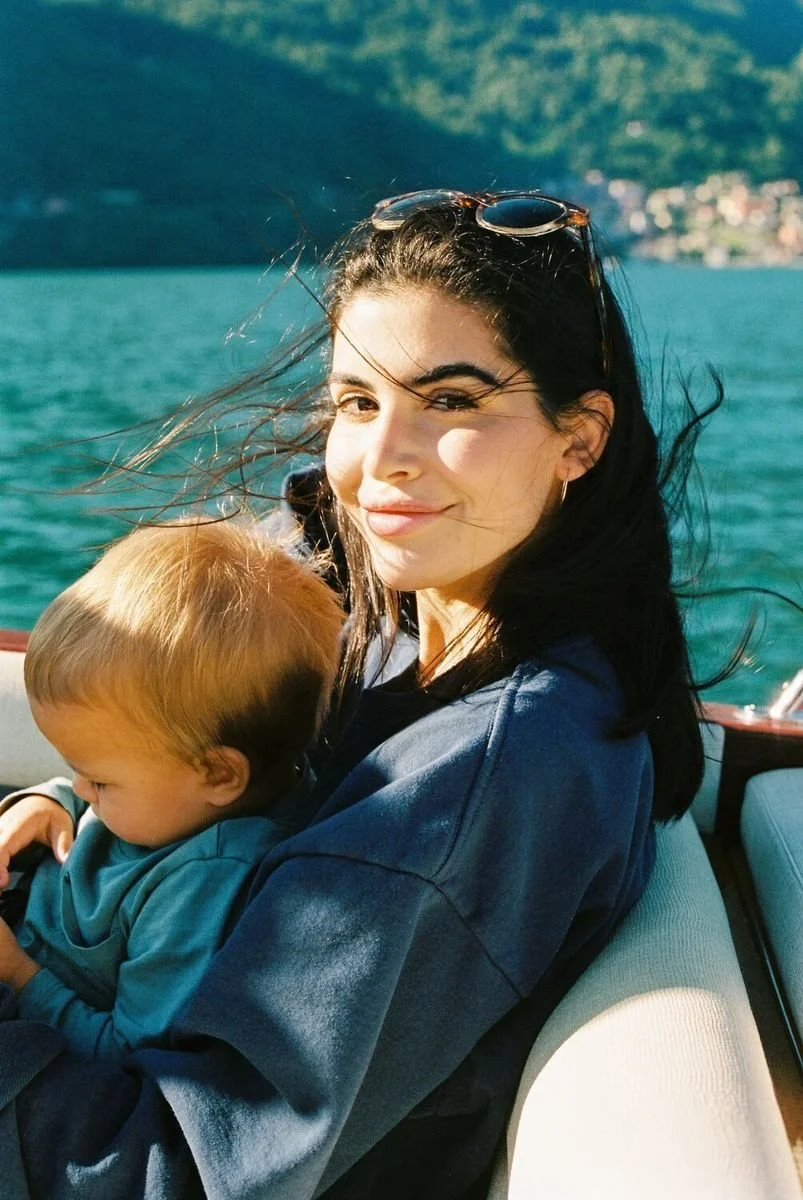
Everything you get in Fundamentals of Film Photography
Fundamentals of Film Photography includes:
- Part 1: Film 101: Nailing Exposure Consistently: expose every frame with confidence, then find your creative voice
- Part 2: Assembling your Film Camera Bag: a camera bag you're confident using, bought without wasted money
- Part 3: Post-Shoot Magic: Developing, Scanning & Editing: scans you love, and what to change on your next roll
Plus 3 bonus lessons:
- Exposure Creative Assignment: put exposure into practice, for all my visual learners
- How I load my Canon AE1: watch me load one of my favorite film cameras, step by step (many others load the same way)
- Traveling with Film: keep your scans from being damaged during a flight
All backed by my 30-Day Money-Back Guarantee.
I'm excited to learn with you!
P.S. Not sure it's for you? Go through the lessons, try the exercises, and start shooting. If you don't feel it's helping you improve your skills within 30 days, just email me for a full refund.